
Quick answer
The top crypto stablecoin projects in 2026 split into three designs. Fiat-backed coins (USDT, USDC, PYUSD) hold cash and US Treasuries. Crypto-collateralised protocols (DAI/USDS, LUSD, crvUSD, GHO) use overcollateralised onchain assets. Hybrid and RWA models (FRAX, eUSD, USDD) blend the two. USDT and USDC dominate supply, while DeFi-native projects lead on decentralisation and composability. This guide explains how each project is backed, governed, and integrated across DeFi, rather than ranking them by size. For a plain-English pick of which coin to hold, see our guide to the best stablecoins in 2026.
Understanding the top crypto stablecoin projects in 2026 is less about market cap and more about design. The stablecoin market has matured through successive stress tests: the Terra/LUNA collapse of 2022, the USDC Silicon Valley Bank depegging of 2023, and the arrival of hard regulation under EU MiCA and the US GENIUS Act. The projects that emerged are structurally more robust, more transparently collateralised, and more compliant than at any prior point in the market’s history.
The total stablecoin market cap passed $314 billion by mid-2026, growing at roughly 25% a year as institutions and payment companies moved onchain. Of the hundreds of stablecoin projects that have launched, a handful account for the overwhelming majority of supply, settlement volume, and DeFi integration. This guide breaks down the ten that matter most, focusing on how each one is collateralised, governed, and used rather than on price alone.
Whether you are a DeFi protocol integrating stablecoin liquidity, a treasury manager seeking onchain dollar exposure, a trader who needs stable settlement, or a developer building stablecoin-dependent applications, this comparison explains how each project works and where it fits.
What to Look for in a Crypto Stablecoin Project in 2026
Most stablecoin guides focus on peg accuracy and stop there. In practice, five factors determine how a stablecoin project actually behaves.
Collateralisation Mechanism and Reserve Quality
Stablecoins derive peg stability from the quality and transparency of their collateral. Fiat-backed coins (USDT, USDC) hold cash equivalents and Treasury bills. Crypto-collateralised coins (DAI, LUSD) hold overcollateralised crypto assets. Algorithmic models attempt to hold a peg through supply mechanics rather than reserves. Reserve quality, meaning the creditworthiness of collateral and the enforceability of redemption rights, is the primary driver of tail risk. The Terra/LUNA collapse showed that algorithmic models without sufficient backing are fragile under selling pressure.
Regulatory Compliance and Jurisdictional Standing
The EU MiCA regulation created the first comprehensive stablecoin framework in a major jurisdiction, classifying stablecoins as e-money tokens or asset-referenced tokens with distinct reserve and governance rules. In the US, the GENIUS Act, passed in 2025, now sets a federal framework for payment stablecoins, requiring 100% liquid reserve backing and monthly disclosures. Projects that achieved compliance early, such as Circle with USDC, are structurally better positioned for institutional adoption than those in regulatory grey areas.
Peg Stability Track Record
A project’s behaviour across past stress events is more informative than its current peg. USDC’s 2023 depeg to $0.88, caused by SVB exposure, tested and proved its redemption recovery. USDT has survived multiple crises without a sustained depeg despite reserve transparency questions. DAI held its peg through the Terra collapse by design. Studying how each project performed under stress gives a practical risk framework that theoretical models cannot.
Yield and Capital Efficiency
Yield-bearing stablecoins, such as sDAI, sFRAX, and protocol-native products, added a real differentiation axis above peg stability. Projects that let holders earn yield without leaving the stablecoin interface offer better capital efficiency than non-yielding coins. For DeFi protocols and treasuries, the yield difference between a plain deposit and a yield-bearing equivalent compounds meaningfully over a holding period of a few months.
DeFi Integration and Liquidity Depth
A stablecoin’s utility depends on where it can be used: which DEXs list it, which lending markets accept it, and which processors support redemption. USDC’s integration across 50+ blockchains and thousands of DeFi protocols gives it a utility floor that newer coins cannot match on design alone. For DeFi-native projects, Curve pool depth and Aave collateral status are the most practical liquidity proxies.
Crypto Stablecoin Projects at a Glance
Data sourced from DefiLlama, CoinGecko, and primary project disclosures. Market cap figures move with the market; verify current values at DefiLlama before citing.
| Project | Design | Collateral | Known For |
|---|---|---|---|
| USDT (Tether) | Fiat-backed | Cash and US Treasuries | Liquidity leader |
| USDC | Fiat-backed | Cash and US Treasuries | Compliance benchmark |
| DAI / USDS (Sky) | Crypto-collateralised + RWA | ETH, WBTC, stETH, RWA | Decentralised original |
| FRAX | Fractional-hybrid | Collateral + FXS + RWA | Capital efficiency |
| PYUSD (PayPal) | Fiat-backed | Cash and US Treasuries | Mainstream distribution |
| LUSD (Liquity) | Crypto-backed (ETH only) | ETH at 110%+ ratio | Governance-free design |
| crvUSD | Crypto-backed | wstETH, WBTC, sfrxETH, ETH | Soft liquidation (LLAMMA) |
| GHO (Aave) | Crypto-backed | Aave V3 supported assets | Aave-native dollar |
| USDD (TRON) | Crypto-collateralised hybrid | BTC, TRX, USDC (200%+) | TRON-native dollar |
| eUSD (Reserve) | RWA-collateralised | Tokenised T-bills, RWA basket | Native RWA yield |
Tether (USDT)
The liquidity backbone: dominant exchange settlement across every major market
Tether’s USDT is the most widely held and traded stablecoin, with a market cap near $186 billion, roughly 59% of the entire market. Its dominance is not about design superiority. USDT has faced persistent reserve transparency questions and a past CFTC settlement. It comes instead from a first-mover liquidity advantage that has proven almost impossible to displace. Every major exchange lists USDT as a primary pair. Every major DeFi protocol supports USDT pools. Most cross-border crypto payment corridors settle in USDT. This network effect compounds with each new integration.
Tether has improved transparency since 2021, now publishing quarterly attestations from BDO Italia, with reserves weighted toward US Treasury bills rather than the commercial paper that once dominated. The issuer, Tether Holdings Limited, is incorporated in the British Virgin Islands and holds no major-jurisdiction banking licence, which is the main regulatory consideration for institutions bound by AML and counterparty standards. For retail and DeFi users, the liquidity advantage usually outweighs those concerns.
Key Stats
- Market Cap: ~$186B (≈59% market share)
- Type: Fiat-backed
- Collateral: US Treasury bills, cash equivalents, and other reserves
- Attestation: Quarterly, BDO Italia
- Chain Support: Ethereum, Tron, BNB Chain, Solana, Polygon, and 10+ others
- Regulatory Status: No major-jurisdiction banking licence; CFTC settlement (2021)
- Strengths: Unmatched liquidity, universal exchange integration, cross-chain support, T-bill reserves
USD Coin (USDC)
The compliance benchmark: institutional-grade transparency with multi-chain reach
USDC, issued by Circle, is the most regulatory-compliant major stablecoin. Circle holds US money transmitter licences, is MiCA-compliant in Europe as an e-money token issuer, and publishes monthly reserve attestations from Deloitte showing cash and short-duration Treasury bill backing. For institutions, corporate treasuries, and regulated processors, USDC’s posture makes it the clearest coin to satisfy counterparty due diligence across US and EU frameworks.
USDC’s 2023 depeg, caused by Circle’s reserve exposure to Silicon Valley Bank, resolved once the US government guaranteed SVB deposits, and USDC repegged within 72 hours. The episode showed both the tail risk of reserve management and the strength of Circle’s response. Circle then shifted reserves to BlackRock-managed money market funds and Treasury bills, removing the bank-deposit concentration that caused the depeg. With a market cap near $74 billion and 50+ chain integrations, USDC’s DeFi liquidity depth is second only to USDT.
Key Stats
- Market Cap: ~$74B (≈23% market share)
- Type: Fiat-backed
- Collateral: US Treasury bills, BlackRock money market fund
- Attestation: Monthly, Deloitte
- Chain Support: 50+ blockchains including Ethereum, Solana, Arbitrum, Base
- Regulatory Status: US money transmitter licences; EU MiCA compliant
- Strengths: Regulatory compliance, institutional trust, Deloitte attestation, multi-chain reach
DAI / USDS (Sky)
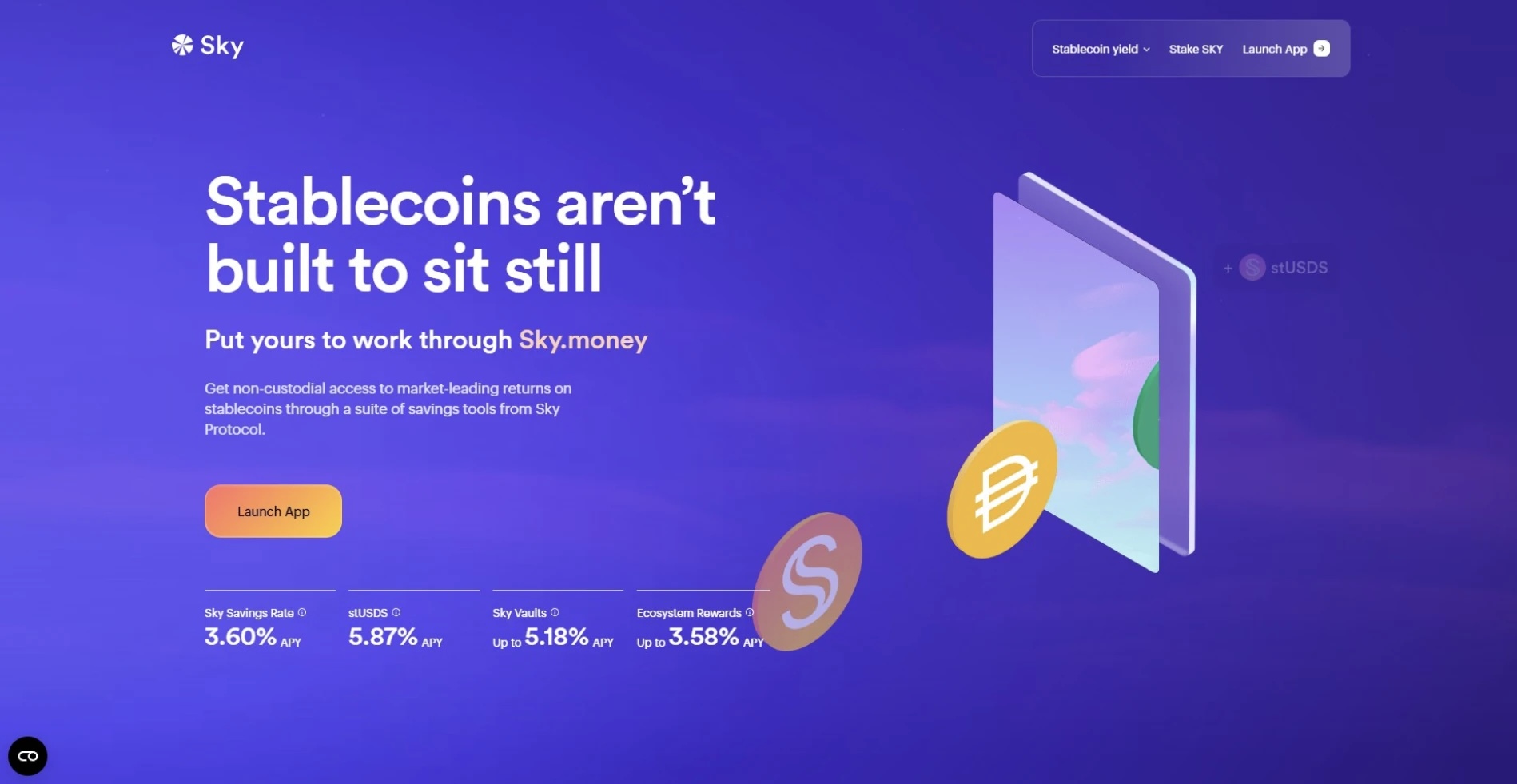
The decentralised original: crypto-collateralised with DeFi-native yield
DAI, now migrating to USDS under the Sky brand (formerly MakerDAO), is the oldest and most battle-tested decentralised stablecoin. It is issued through overcollateralised vaults where users lock ETH, WBTC, stETH, and real-world assets above a 150% ratio. DAI held its USD peg through the Terra collapse, the 2020 Black Thursday crisis, and every major correction since its 2017 launch. That track record gives it empirical validation no newer decentralised coin can match.
The DAI Savings Rate, accessible through the sDAI wrapper, lets holders earn protocol yield funded by borrower stability fees without leaving the stablecoin. Sky’s expansion into Real World Asset collateral, including Treasury bills and other offchain instruments, diversified the backing beyond pure crypto, reducing correlation to crypto drawdowns. The Sky ecosystem (USDS plus DAI) sits around $8 billion combined, making it the leading decentralised dollar.
Key Stats
- Market Cap: ~$8B (USDS and DAI combined)
- Type: Crypto-collateralised with RWA diversification
- Collateral: ETH, WBTC, stETH, RWA (T-bills), USDC
- Yield: sDAI via the DAI Savings Rate
- Chain Support: Ethereum native; bridged to Arbitrum, Optimism, Base, Polygon
- Regulatory Status: Decentralised protocol; no single issuing entity
- Strengths: Decentralisation, long track record, sDAI yield, RWA diversification, DeFi composability
FRAX
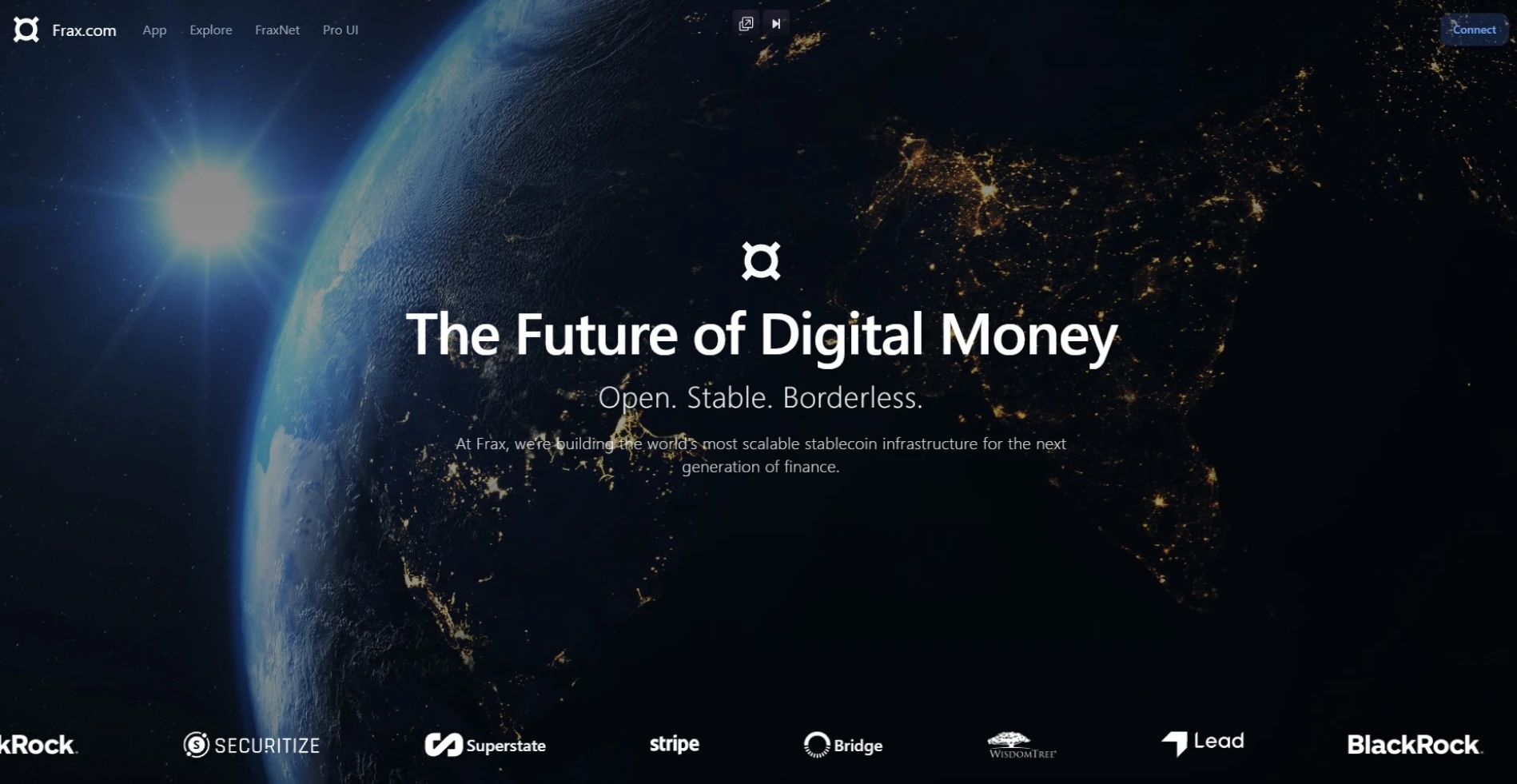
The capital-efficiency pioneer: hybrid design with a deep DeFi ecosystem
FRAX pioneered the fractional-algorithmic model, combining collateral with algorithmic supply to hold its peg at higher capital efficiency than fully backed coins. After the Terra collapse, FRAX v3 moved to a higher collateralisation ratio and reduced algorithmic dependency while keeping its efficiency edge. The FRAX ecosystem expanded to include frxETH (liquid staking), FPI (an inflation-pegged coin), and Fraxlend (lending), with FRAX acting as the foundational liquidity layer across all of them.
sFRAX, the yield-bearing version, earns from Frax’s Treasury bill integration and from Fraxlend activity, offering competitive yield against sDAI with a different risk profile. FRAX’s Curve pool depth is among the deepest of any mid-cap stablecoin, reflecting a deliberate strategy of concentrating liquidity in the most efficient venue for stablecoin trading. For builders, FRAX’s composability with Curve, Convex, and the wider Curve ecosystem offers integration depth that newer coins cannot access as easily.
Key Stats
- Market Position: Mid-cap, DeFi-native (verify latest at DefiLlama)
- Type: Fractional-hybrid
- Collateral: Collateral plus FXS backing and RWA T-bills
- Yield: sFRAX (RWA yield plus lending interest)
- Ecosystem: frxETH, FPI, Fraxlend, Fraxswap
- Chain Support: Ethereum native; Arbitrum, Polygon, Optimism
- Strengths: Capital efficiency, sFRAX yield, Curve integration depth, multi-product ecosystem
PayPal USD (PYUSD)
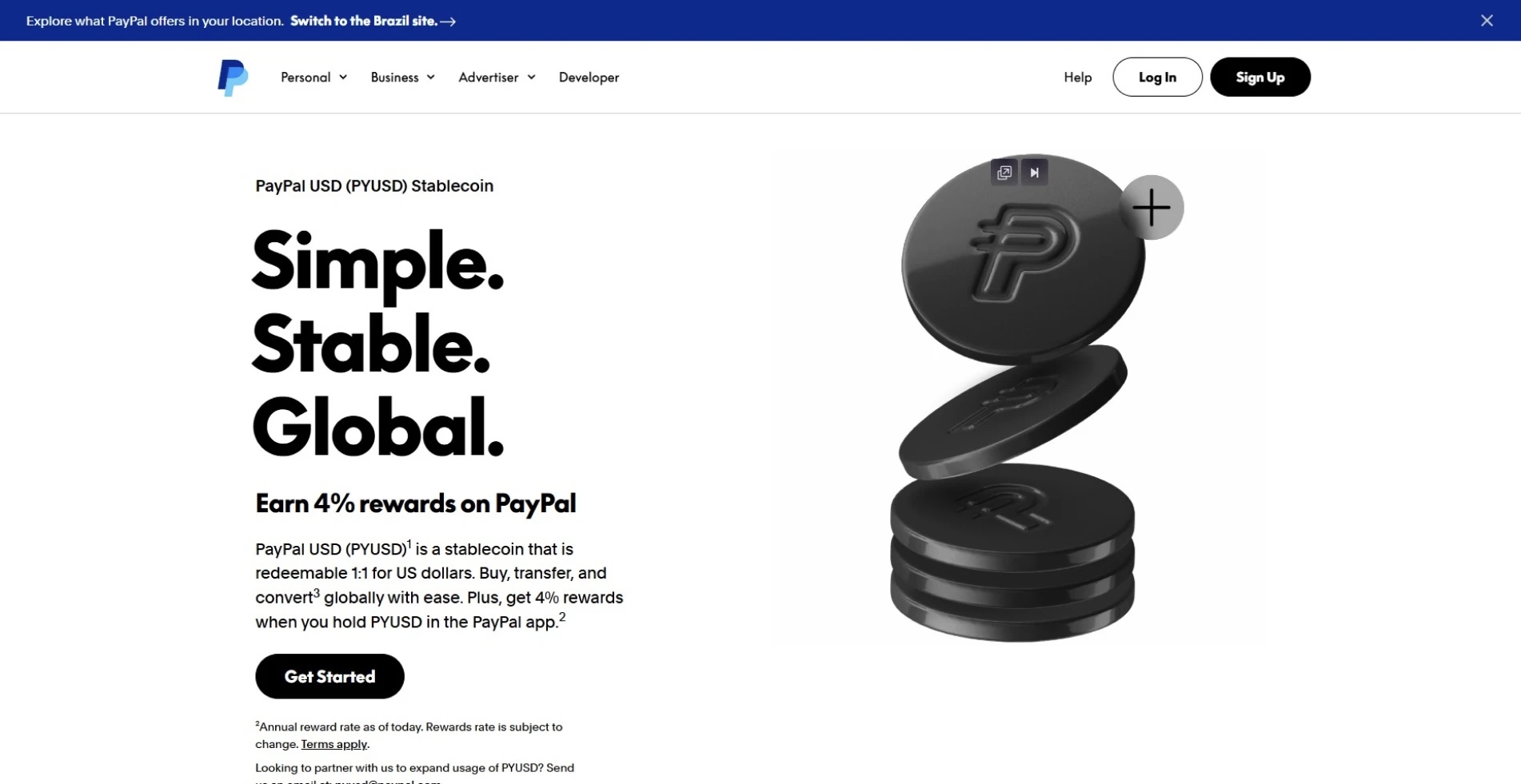
The mainstream bridge: PayPal and Venmo distribution on Ethereum and Solana
PayPal USD (PYUSD), issued by Paxos and distributed through PayPal and Venmo, is the clearest bridge between traditional fintech and onchain dollars. With access to PayPal’s hundreds of millions of consumer accounts and Venmo’s large active base, PYUSD has a distribution reach no purely crypto-native coin can match. For mainstream users who will not set up a self-custody wallet but want to hold or move a digital dollar, PYUSD offers the most familiar interface, right inside an app they already use.
PYUSD launched on Ethereum in 2023 and expanded to Solana, where near-instant settlement and low fees make it practical for micro-payments and remittances. Paxos operates under a New York trust charter with monthly reserve attestations. For DeFi projects that want to onboard mainstream users, PYUSD’s PayPal channel is a distribution pathway that crypto-native coins cannot replicate.
Key Stats
- Market Position: Growing fiat-backed coin (verify latest at DefiLlama)
- Type: Fiat-backed
- Collateral: US Treasury bills, cash and cash equivalents
- Issuer: Paxos Trust Company, NYDFS regulated
- Distribution: PayPal and Venmo
- Chain Support: Ethereum and Solana
- Strengths: PayPal distribution reach, Paxos regulatory standing, Solana integration, mainstream accessibility
LUSD (Liquity)
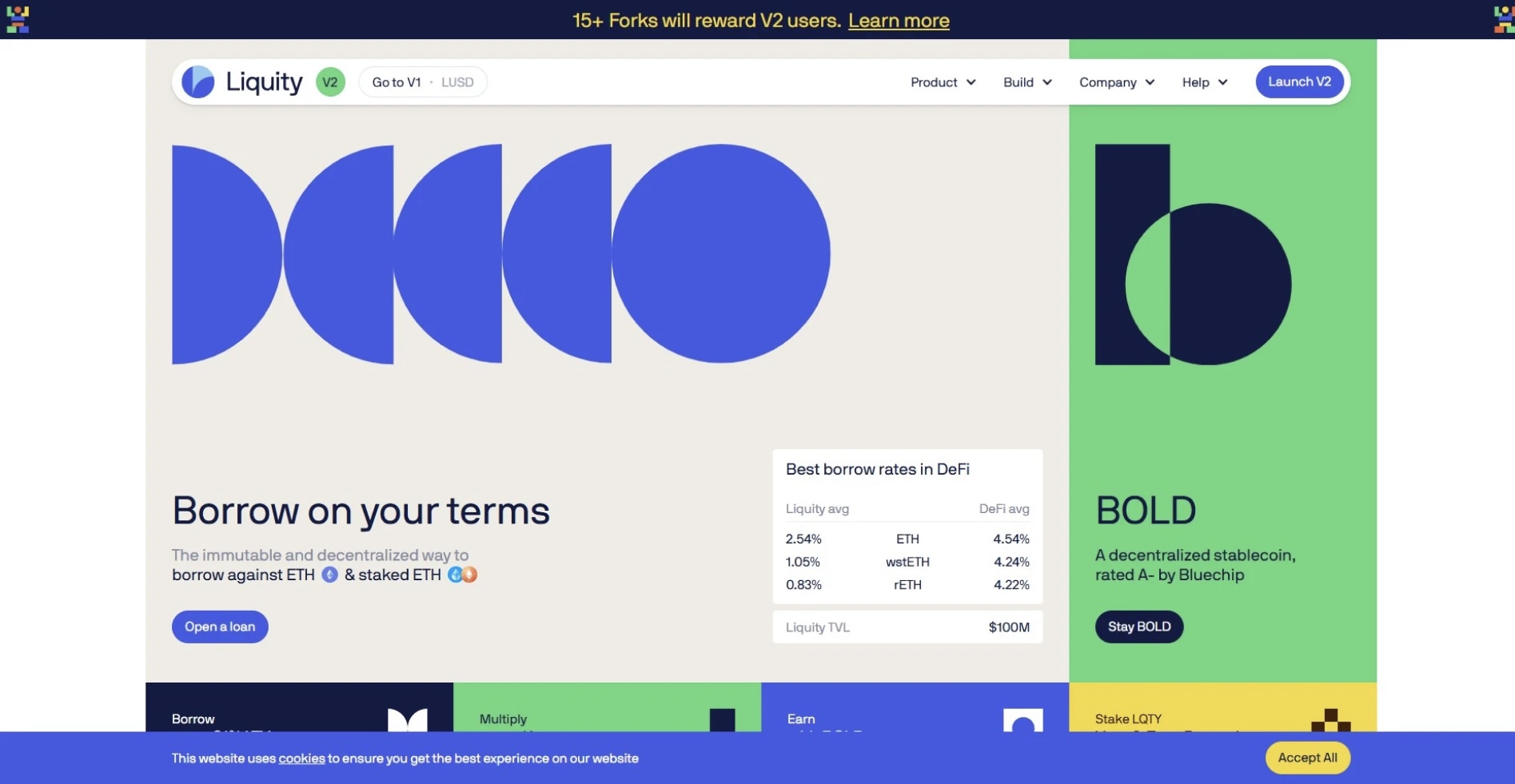
The decentralisation maximalist: ETH-only collateral, governance-free protocol
LUSD, from the Liquity protocol, sits at the maximally decentralised end of the design spectrum. It accepts only ETH as collateral at a minimum 110% ratio, runs without governance (no admin keys, no parameter votes, no oracle manipulation risk), and charges a one-time borrowing fee instead of ongoing interest. This immutable design removes the governance attack surface that has hurt other decentralised protocols, while ETH-only collateral avoids the multi-asset correlation that makes diversified portfolios harder to liquidate cleanly under stress.
The Liquity Stability Pool lets LUSD holders deposit in exchange for discounted ETH from liquidations, a yield mechanism that performs best in volatile periods. Liquity V2 introduced user-defined interest rates, letting borrowers set their own stability fees in exchange for a chosen liquidation priority, a market-driven approach to collateral efficiency. For users who prize censorship resistance and governance minimisation above all, LUSD is the clearest expression of those values.
Key Stats
- Market Position: Smaller-cap, DeFi-native (verify latest at DefiLlama)
- Type: Crypto-backed, ETH only
- Collateral: ETH at minimum 110% ratio
- Yield: Stability Pool (discounted ETH from liquidations)
- Governance: None; immutable protocol, no admin keys
- Chain Support: Ethereum
- Strengths: Maximum decentralisation, governance-free, ETH-only clarity, immutable design, V2 user-set rates
crvUSD
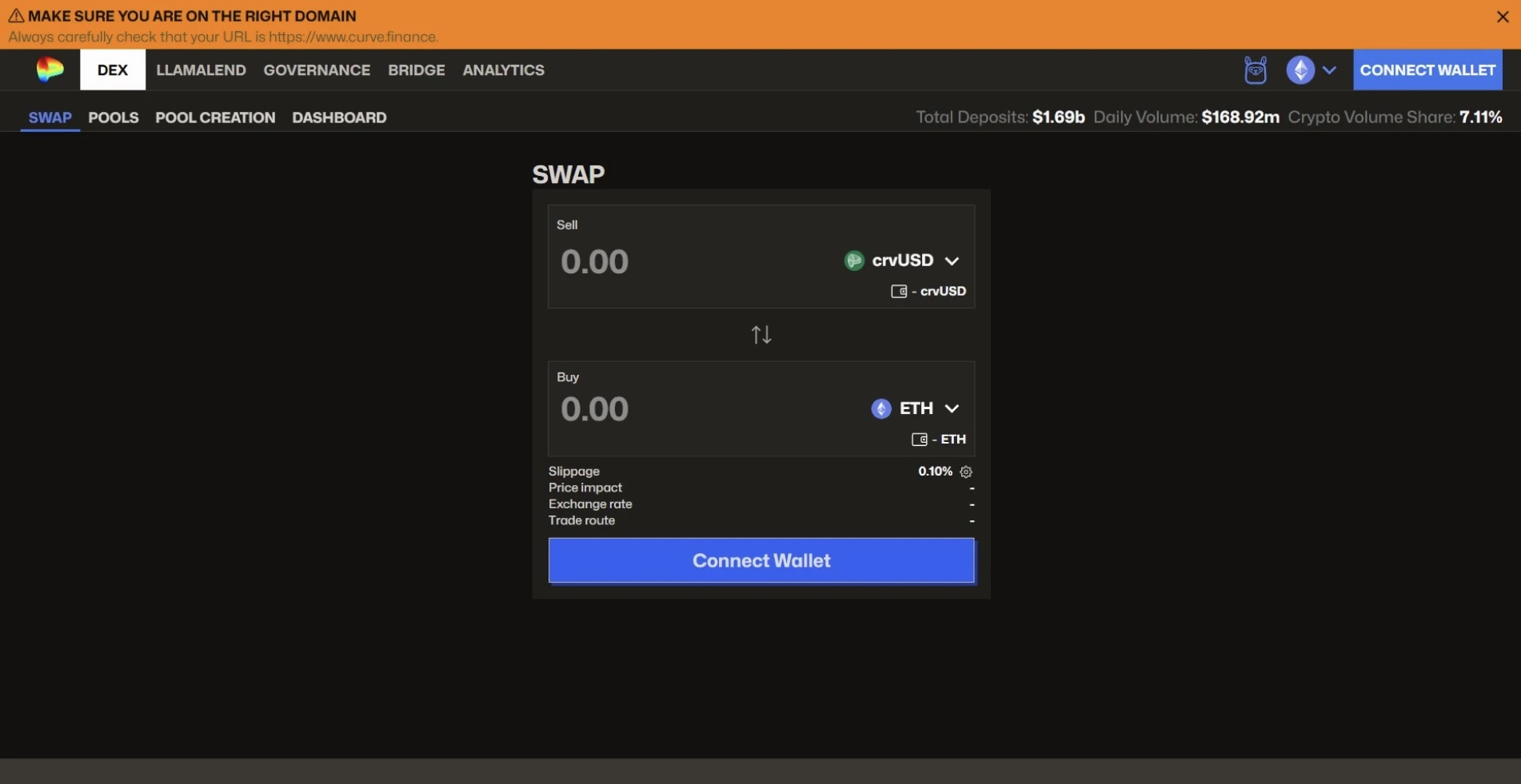
The Curve innovation: soft liquidation through the LLAMMA mechanism
crvUSD is Curve Finance’s native stablecoin, distinguished by LLAMMA, a liquidation mechanism that converts collateral into crvUSD gradually as it nears the liquidation price, instead of triggering hard liquidations that cascade. This soft liquidation design reduces the shock to borrowers and the market impact of forced sales, making crvUSD one of the most innovative designs from a collateral management view. Positions entering the LLAMMA range are managed dynamically across the boundary rather than closed suddenly.
crvUSD accepts wstETH, WBTC, sfrxETH, and ETH as collateral, and Curve’s deep native pools give crvUSD inherent peg stability through arbitrage paths that protocols without their own DEX cannot access. For participants already inside the Curve and Convex ecosystems, crvUSD offers native stablecoin exposure with lending yield and access to Curve’s liquidity incentives, which external coins must earn through governance.
Key Stats
- Market Position: Mid-cap, Curve-native (verify latest at DefiLlama)
- Type: Crypto-backed
- Collateral: wstETH, WBTC, sfrxETH, ETH
- Innovation: LLAMMA soft liquidation, no hard liquidation events
- Yield: Lending market interest on collateral vaults
- Chain Support: Ethereum (native Curve infrastructure)
- Strengths: Soft liquidation innovation, Curve ecosystem integration, DEX-native liquidity
GHO (Aave)
The Aave-native dollar: broad collateral with stkGHO discount mechanics
GHO is Aave’s native stablecoin, minted by borrowers against any collateral supported by Aave V3, a broader set than DAI or crvUSD, including LSTs, blue-chip tokens, and RWA-backed assets approved by governance. GHO’s interest rate is set by Aave DAO governance rather than by market mechanics, giving predictable borrowing costs but adding governance risk that immutable protocols like Liquity avoid. AAVE stakers receive a reduced GHO borrowing rate, aligning governance participants with GHO supply growth.
GHO Facilitators, whitelisted entities that can mint GHO against specific collateral, let the protocol expand issuance beyond the base Aave market, including flash-mint and partner integrations. The stkGHO mechanism lets holders stake GHO in the Aave Safety Module for yield and reduced borrowing costs, creating a yield-bearing layer that competes with sDAI for DeFi-native dollar liquidity. As the largest DeFi lending protocol by TVL, Aave gives GHO a distribution advantage new coins cannot easily replicate.
Key Stats
- Market Position: Growing, Aave-native (verify latest at DefiLlama)
- Type: Crypto-backed (Aave collateral set)
- Collateral: Aave V3 supported assets, the broadest set of any protocol stablecoin
- Yield: stkGHO staking yield in the Aave Safety Module
- Rate Mechanism: Governance-set rate; stkAAVE discount
- Chain Support: Ethereum (Aave V3 native); expanding multi-chain
- Strengths: Aave ecosystem integration, broad collateral, stkGHO yield, facilitator extensibility
USDD (TRON)

The TRON-native dollar: multi-asset reserve with a DAO structure
USDD is the primary stablecoin of the TRON blockchain, issued by the TRON DAO Reserve with a hybrid model that combines TRX and other crypto assets. TRON’s dominance in stablecoin transfers, driven by its low fees, creates a natural distribution channel for USDD among the many users who already move dollars on TRON. Within the TRON ecosystem, USDD is the dominant decentralised stablecoin.
After the Terra collapse, USDD’s reserve model was strengthened with over-collateralisation and a multi-asset reserve including BTC, TRX, and USDC, rather than relying on algorithmic mechanics. The TRON DAO Reserve publishes a collateralisation ratio that has consistently exceeded 200%. For TRX holders, USDD provides native stablecoin access without bridging to Ethereum, with yield through Sun.io and JustLend.
Key Stats
- Market Position: TRON-native, mid-cap (verify latest at DefiLlama)
- Type: Crypto-collateralised hybrid
- Collateral: BTC, USDC, TRX, TRON DAO Reserve managed
- Collateralisation: 200%+ published ratio
- Chain Support: TRON native plus Ethereum bridge
- Yield: Sun.io and JustLend
- Strengths: TRON ecosystem depth, 200%+ overcollateralisation, TRX alignment, low-cost transfers
eUSD (Reserve Protocol)
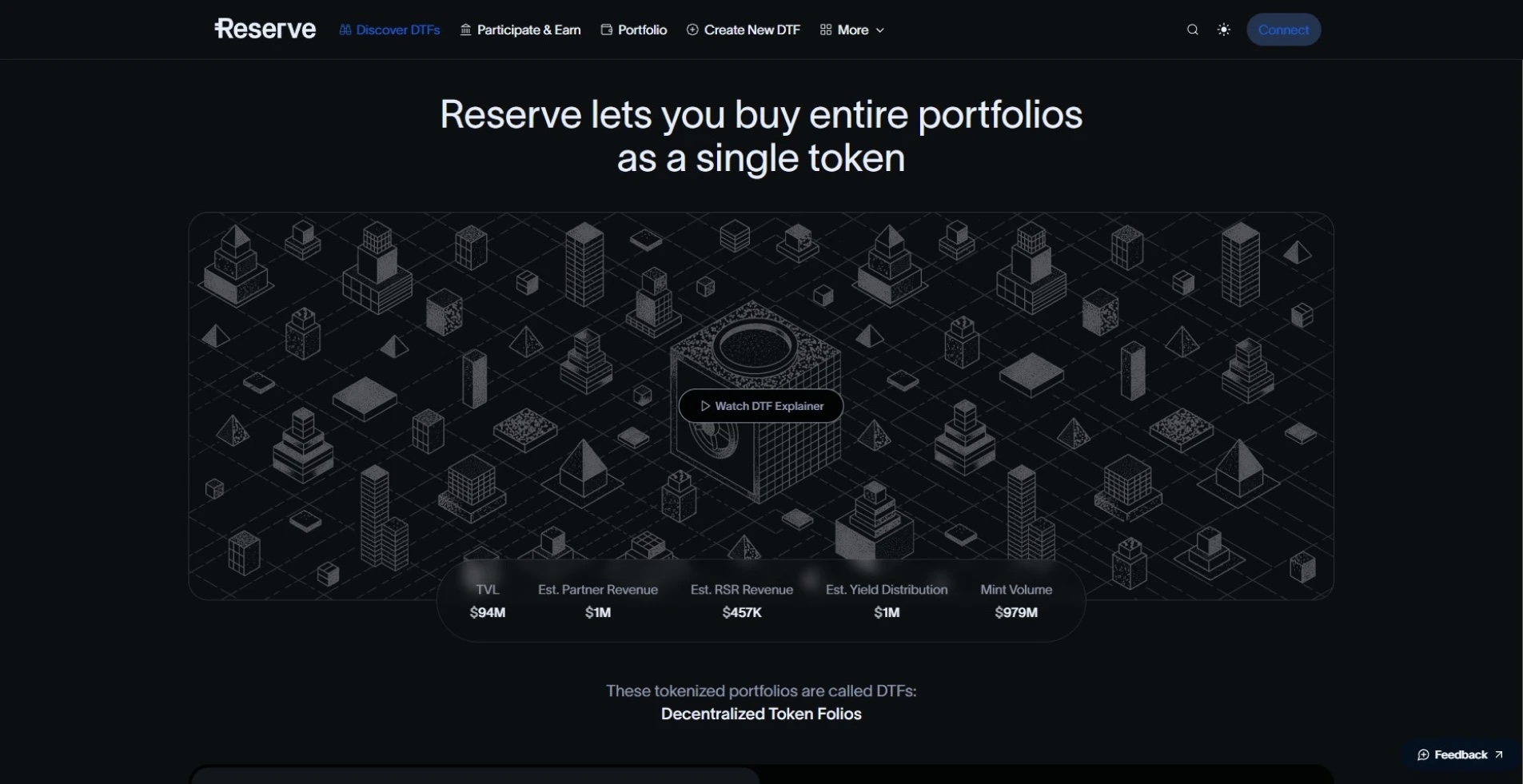
The RWA yield model: real-world-asset collateral with yield passed to holders
eUSD, on the Reserve Protocol, is the clearest expression of the yield-bearing RWA thesis: a stablecoin whose collateral is entirely yield-generating real-world assets, with that yield passed to holders without a separate staking step. The basket includes tokenised Treasury bills and other yield-bearing dollar instruments, with Reserve’s governance managing composition and backup mechanisms. eUSD targets holders who want onchain dollar exposure with built-in yield and no extra complexity.
Reserve’s architecture lets any project deploy a custom backed stablecoin (an RToken), with eUSD as the flagship rather than the only product. This creates a platform dynamic where the protocol’s security track record benefits every RToken. RSR token holders provide emergency collateral backing to all RTokens in exchange for yield, a structured backstop that adds a solvency layer above the primary basket.
Key Stats
- Market Position: Smaller-cap, RWA-backed (verify latest at DefiLlama)
- Type: RWA-collateralised, yield-bearing
- Collateral: Tokenised T-bills and a diversified RWA basket
- Yield: Native yield passed to holders without staking
- Backstop: RSR stakers provide emergency collateral
- Chain Support: Ethereum and Base
- Strengths: Native yield without staking, RWA collateral diversity, RSR backstop, platform security
How Crypto Stablecoin Projects Differ by Design
No single stablecoin design is best for every job. The projects above cluster along a few clear lines, and understanding those lines is more useful than a single ranking.
By Collateral Model
- Fiat-backed: USDT and USDC set the standard for liquidity and compliance, with PYUSD adding mainstream distribution
- Crypto-collateralised: DAI/USDS, LUSD, crvUSD, and GHO offer decentralisation and DeFi composability at different points on the governance spectrum
- Hybrid and RWA: FRAX, eUSD, and USDD blend collateral types to target capital efficiency or native yield
By Design Priority
- Maximum liquidity: USDT leads, with USDC close behind across DeFi
- Maximum decentralisation: LUSD’s governance-free, ETH-only design is the clearest example
- DeFi composability: crvUSD and GHO integrate natively with the two deepest DeFi ecosystems, Curve and Aave
- Native yield: sDAI, sFRAX, and eUSD build yield into the stablecoin itself
If your goal is simply deciding which dollar to hold or spend, our companion guide to the best stablecoins in 2026 ranks the leading coins by everyday use case instead of protocol design.
Frequently Asked Questions
What are the main types of crypto stablecoin projects?
There are three main types. Fiat-backed stablecoins (USDT, USDC, PYUSD) hold cash and Treasury bills as reserves. Crypto-collateralised stablecoins (DAI/USDS, LUSD, crvUSD, GHO) hold overcollateralised onchain assets. Hybrid and RWA models (FRAX, eUSD, USDD) blend collateral types. Each design trades off decentralisation, capital efficiency, and regulatory clarity differently.
What is the difference between fiat-backed and algorithmic stablecoins?
Fiat-backed stablecoins hold cash and Treasury bills as reserves, with redemptions backed by real assets. Algorithmic stablecoins try to hold a peg through supply mechanisms without equivalent reserves. The Terra/LUNA collapse showed how fragile pure algorithmic models are under selling pressure, and most post-Terra projects moved toward overcollateralised or hybrid designs with real backing.
Which crypto stablecoin project is the most decentralised?
LUSD from Liquity is among the most decentralised, using ETH-only collateral and an immutable, governance-free protocol with no admin keys. DAI/USDS from Sky is the most established decentralised project, backed by crypto collateral and real-world assets. Both avoid the single-issuer model of fiat-backed coins, trading some efficiency for censorship resistance.
Which stablecoin projects offer native yield?
Several do. sDAI passes the DAI Savings Rate to holders, sFRAX earns from Frax’s Treasury and lending activity, GHO offers stkGHO staking within Aave, and eUSD passes real-world-asset yield to holders without a separate staking step. Yield levels track prevailing short-duration Treasury rates with protocol-specific adjustments, so they move with market conditions.
Are crypto stablecoin projects regulated in 2026?
Regulation has clarified sharply. The EU’s MiCA framework classifies stablecoins as e-money or asset-referenced tokens with reserve and governance rules, and the US GENIUS Act, passed in 2025, requires payment stablecoins to hold 100% liquid reserves with monthly disclosures. USDC and PYUSD are among the best-positioned major projects for compliance across both regimes, while decentralised protocols occupy a different regulatory category.
Can stablecoins lose their peg?
Yes. USDC briefly depegged to $0.88 in March 2023 due to Silicon Valley Bank exposure before recovering. USDT has seen brief depegs during crises. Algorithmic coins without sufficient backing, most notably UST, lost their pegs permanently. Risk varies by collateral type, reserve quality, and liquidation design, and overcollateralised projects with transparent reserves have the strongest recovery record.
Final Thoughts on the Top Crypto Stablecoin Projects in 2026
The top crypto stablecoin projects in 2026 reflect a market that has been stress-tested, regulated, and redesigned since the last cycle. The projects that survived did so by building real reserve quality, improving transparency, and adding yield mechanisms that justify holding onchain dollars over bank deposits.USDT anchors liquidity. USDC anchors compliance. DAI/USDS leads decentralisation. FRAX pushes capital efficiency. crvUSD and GHO lead DeFi-native design, while eUSD leads native yield. Each project occupies a distinct position because each reflects genuinely different design priorities, and the right one for a given user depends on which of those priorities matches their needs.
The most important factor is not which project has the largest market cap, but which collateral model, regulatory status, yield structure, and ecosystem integration fits how you actually use onchain dollars, and what risks you are prepared to accept for the decentralisation or yield you want.Cryptic is a crypto marketing agency based in Dubai, founded in 2020, and a verified Circle Alliance Partner, with clients including Binance, Bybit, Algorand, OKX, Canton, and Polymarket. For Web3 teams building stablecoin, DeFi, RWA, or payment products, and looking to grow through PR, KOL campaigns, and go-to-market strategy, book a free strategy call.