 In crypto, the quality of your information determines the quality of your decisions.
Most people in this space consume content passively. They follow whoever has the most followers, repost whatever is trending, and wonder why their thesis is always one step behind the market. The traders, builders, and investors who consistently stay ahead are doing something different. They are curating deliberately. They follow people who think clearly, publish original research, and have actual skin in the game.
The top voices in crypto are not the loudest ones. They are the ones whose analysis ages well, whose predictions are grounded in data rather than hype, and whose work makes you think differently about what is happening on chain.
This guide breaks down the most influential and genuinely useful voices in crypto in 2026, what each person contributes, who their content is best suited for, and where to follow them. Whether you are a DeFi trader, a Web3 founder, or someone trying to understand where this industry is actually heading, this list was built to sharpen your information edge.
Why Your Information Diet in Crypto Matters
The crypto market moves on narrative as much as it moves on fundamentals. Narratives form in specific places, among specific people, before they reach the broader market. By the time a theme is trending on Reddit or appearing in mainstream financial media, the people who built positions around it have already moved on.
Following the right voices compresses that information gap. When you understand how the most rigorous thinkers in crypto are framing a market cycle, a regulatory development, or an emerging protocol category, you are working with better inputs than the majority of participants. That advantage compounds over time.
The opposite is also true. A poor information diet, one built around hype accounts, price prediction threads, and influencers paid to promote projects, actively costs you money. It fills your mental model with noise that crowds out the signal and biases you toward decisions that benefit content creators rather than your own portfolio.
Curation is not passive. It is one of the highest leverage decisions a serious crypto participant can make.
What Makes Someone a Top Voice in Crypto
Not everyone with a large following deserves a place in your feed. Here is the standard used to evaluate every person on this list.
Original Thinking: The best voices in crypto produce ideas, not just reactions. They publish original research, develop frameworks for understanding market dynamics, and advance conversations rather than amplifying them. If someone’s entire output is quote-tweeting other people’s hot takes, they are not a top voice regardless of their follower count.
Track Record and Skin in the Game: Analysis that costs the analyst nothing is worth roughly the same. The voices worth following are the ones who are publicly on record with their positions, who have been right about meaningful things in the past, and who have something real at stake when they make a call.
Consistency Over Cycles; Crypto is full of people who look brilliant in a bull market and disappear in a bear. The most valuable voices maintain consistent, quality output across market cycles. They are still publishing, still analyzing, and still engaging seriously when prices are down 80%.
Clarity of Communication: Deep knowledge communicated poorly helps no one. The top voices in crypto translate genuinely complex ideas into content that is accessible without being dumbed down. That combination of depth and clarity is rarer than it sounds.
Independence: Conflicts of interest are everywhere in crypto. The voices worth trusting are the ones who disclose their positions honestly, push back on projects they are associated with when warranted, and do not let financial relationships determine their editorial output.
Top Voices in Crypto — At a Glance
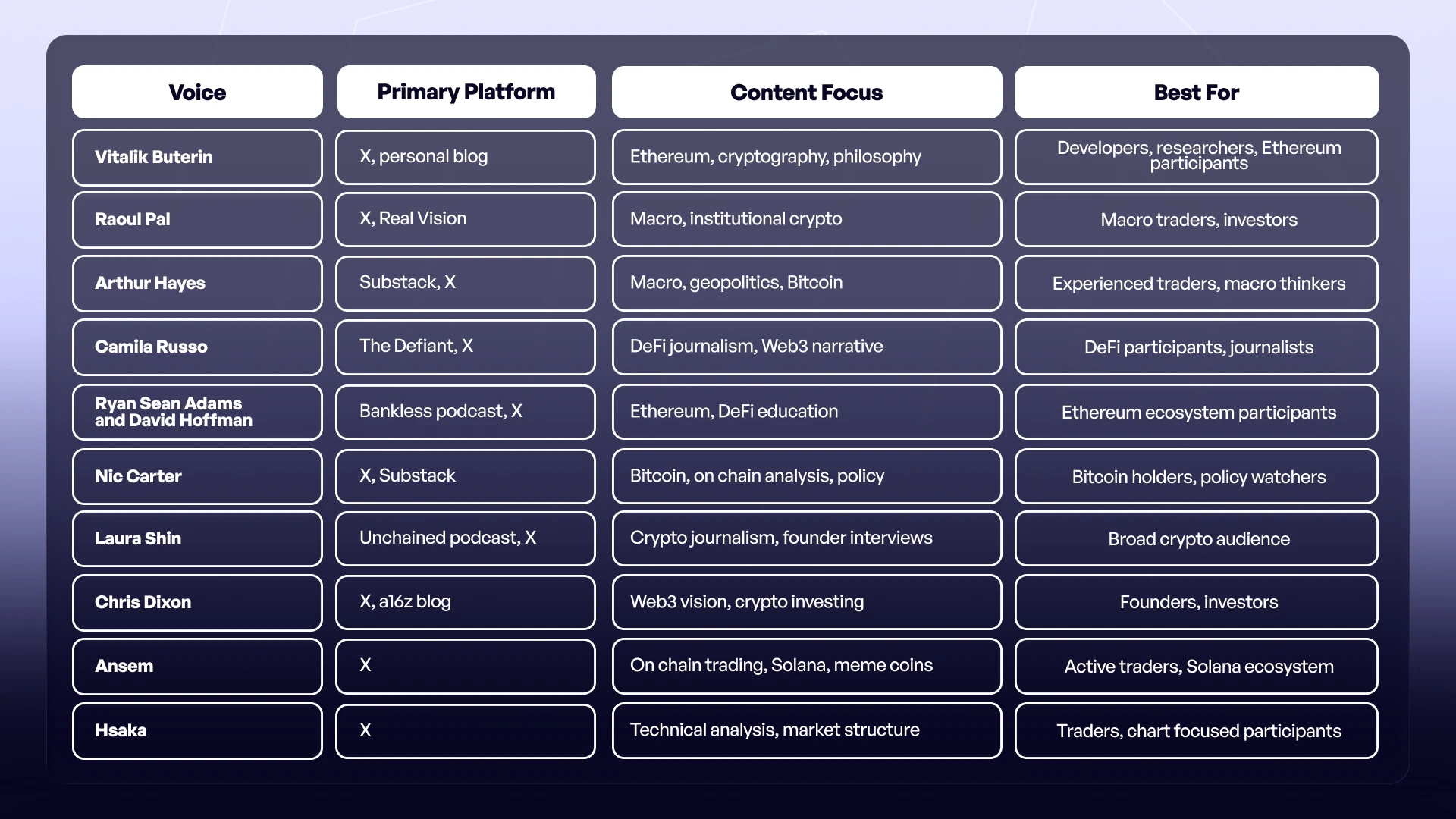
Top Voices in Crypto
Vitalik Buterin
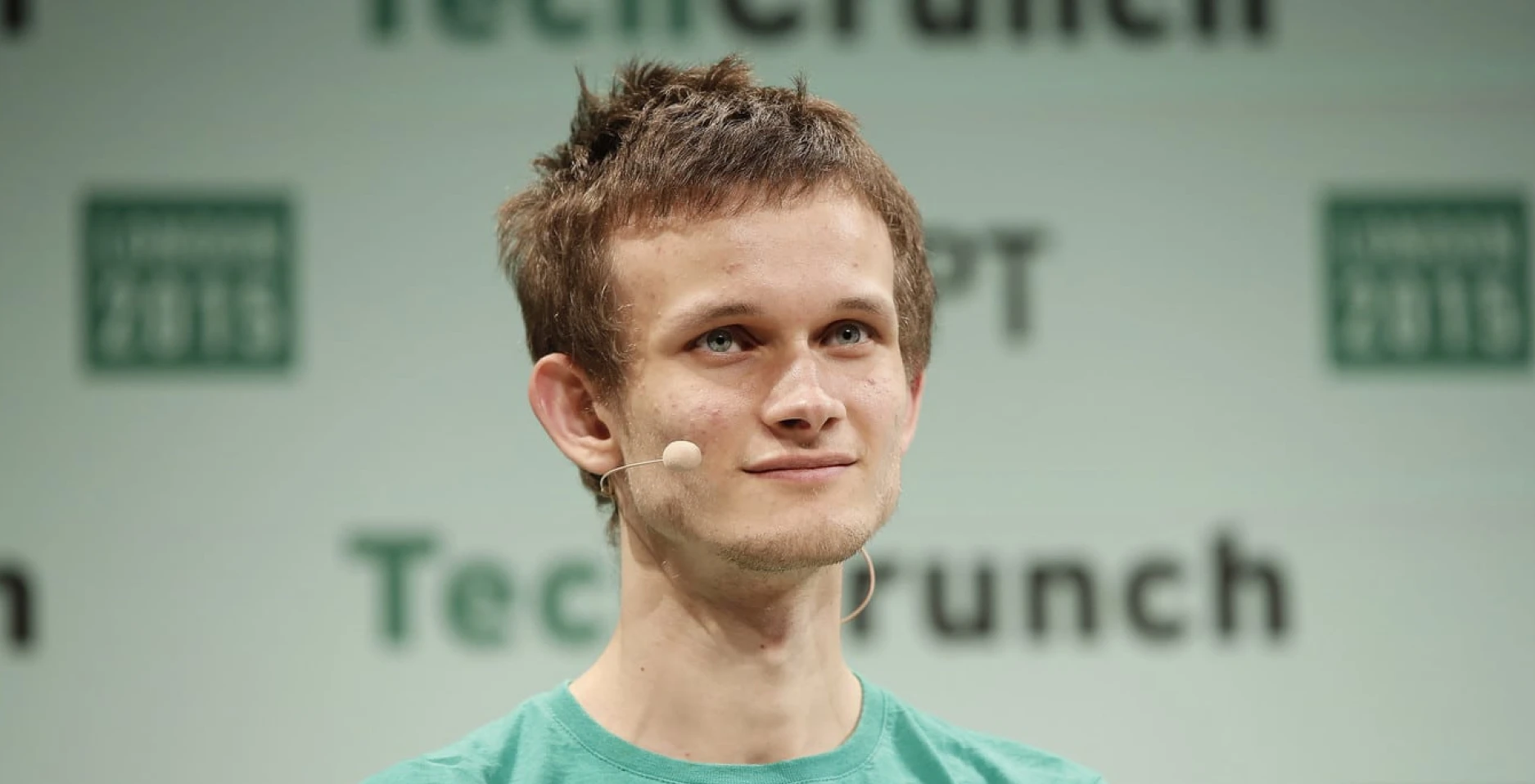
Vitalik Buterin is the co-founder of Ethereum and one of the most original thinkers the crypto industry has ever produced. Following him is not optional for anyone who takes the space seriously. His output spans deeply technical posts about Ethereum’s roadmap and cryptographic primitives, philosophical essays on decentralization and governance, and occasionally sharp commentary on the direction of the broader crypto industry.
What makes Vitalik unusual is that his thinking does not stop at Ethereum. He engages seriously with questions about quadratic funding, mechanism design, digital identity, and the long-term social implications of blockchain technology. Reading him consistently expands your mental model of what crypto is actually trying to accomplish beyond price performance.
His blog at vitalik.eth.limo is where the deepest content lives. The posts are long, technical, and genuinely rewarding if you are willing to engage with them seriously. His X account carries a mix of the same, alongside more immediate reactions to industry events.
Best for: Developers, protocol researchers, Ethereum ecosystem participants, and anyone who wants to understand the intellectual foundations of what is being built
Primary platforms: Personal blog, X
Content style: Long-form technical essays, philosophical commentary, occasional sharp industry takes
Raoul Pal
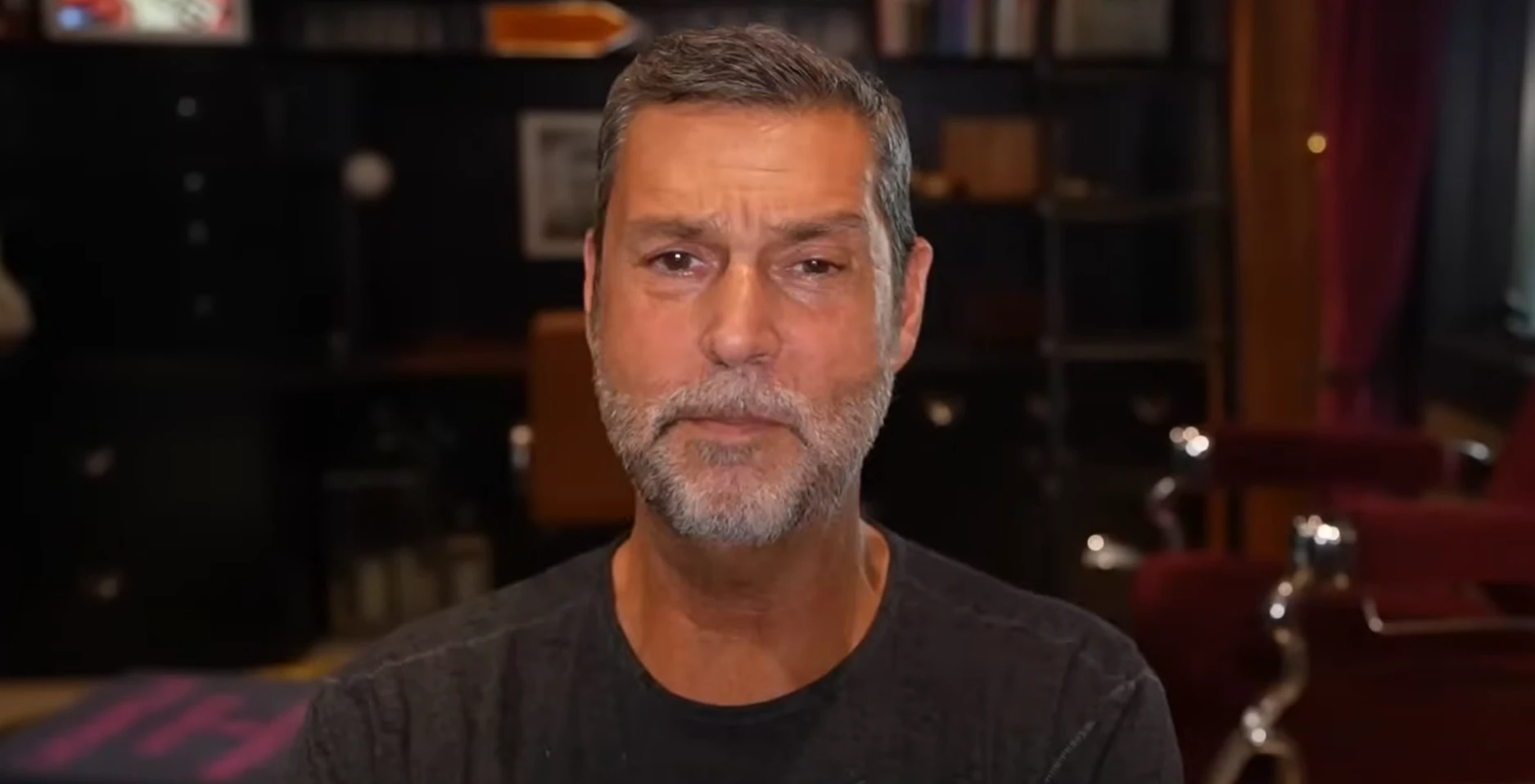
Raoul Pal is the founder of Real Vision and one of the most prominent macro voices in crypto. His framework for understanding crypto markets sits at the intersection of global liquidity cycles, demographics, and technology adoption curves. He was among the earliest institutional voices to make a serious public case for Bitcoin and Ethereum as macro assets, and his liquidity cycle thesis has proven directionally useful across multiple market cycles.
Real Vision, the platform he built, has become a major destination for long-form macro and crypto video content, hosting conversations with fund managers, economists, and on-chain researchers that go significantly deeper than what mainstream financial media produces.
Raoul is genuinely bullish on crypto as a technology and an asset class, which means his content skews optimistic. That bias is worth calibrating for. At his best, however, he provides a macro context for crypto price action that very few other voices in the space can match.
Best for: Macro traders, institutional investors, and participants who want to understand crypto markets through the lens of global liquidity and monetary policy
Primary platforms: X, Real Vision, podcast appearances
Content style: Macro frameworks, cycle analysis, long-form video interviews
Arthur Hayes
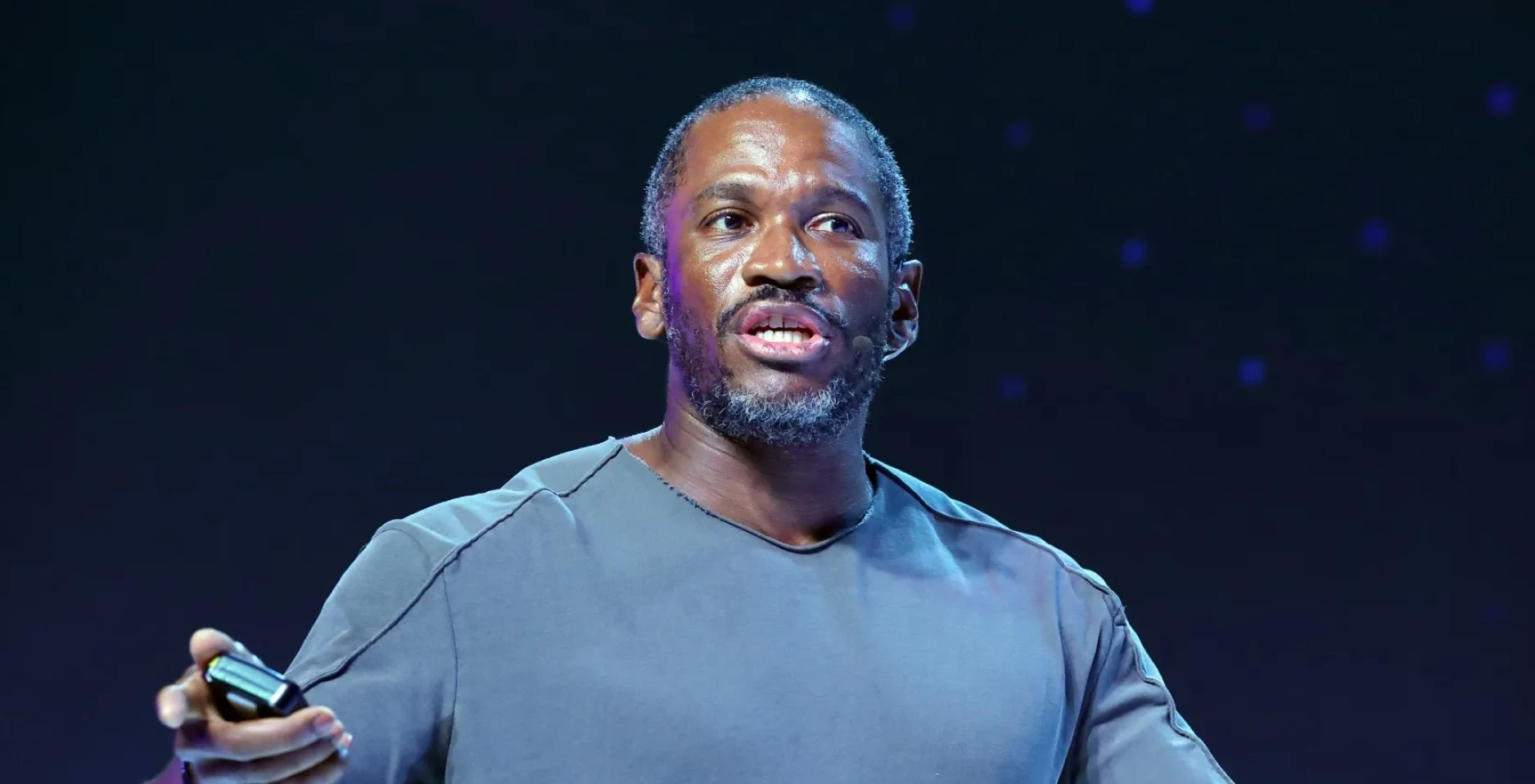
Arthur Hayes is the co-founder and former CEO of BitMEX and one of the most distinctive writers in crypto. His Substack, Crypto Trader Digest, publishes long-form essays that blend macroeconomics, geopolitical analysis, financial history, and crypto market thesis in a style that is entirely his own. The essays are dense, opinionated, and frequently brilliant.
Hayes does not hedge his views. He takes strong positions, explains his reasoning in detail, and is willing to be publicly wrong. That intellectual honesty, combined with his genuine expertise in derivatives markets and global capital flows, makes him one of the most valuable macro voices in the space for readers who can engage with complexity.
His background running one of the first major crypto derivatives exchanges gives him a practitioner’s understanding of market structure that purely macro commentators lack. The combination of institutional macro knowledge and on chain market experience is genuinely rare.
Best for: Experienced traders, macro thinkers, and participants who want rigorous if unconventional, analysis of where global capital and crypto markets are heading
Primary platforms: Substack, X
Content style: Long-form macro essays, strong directional views, financial and geopolitical history
Camila Russo
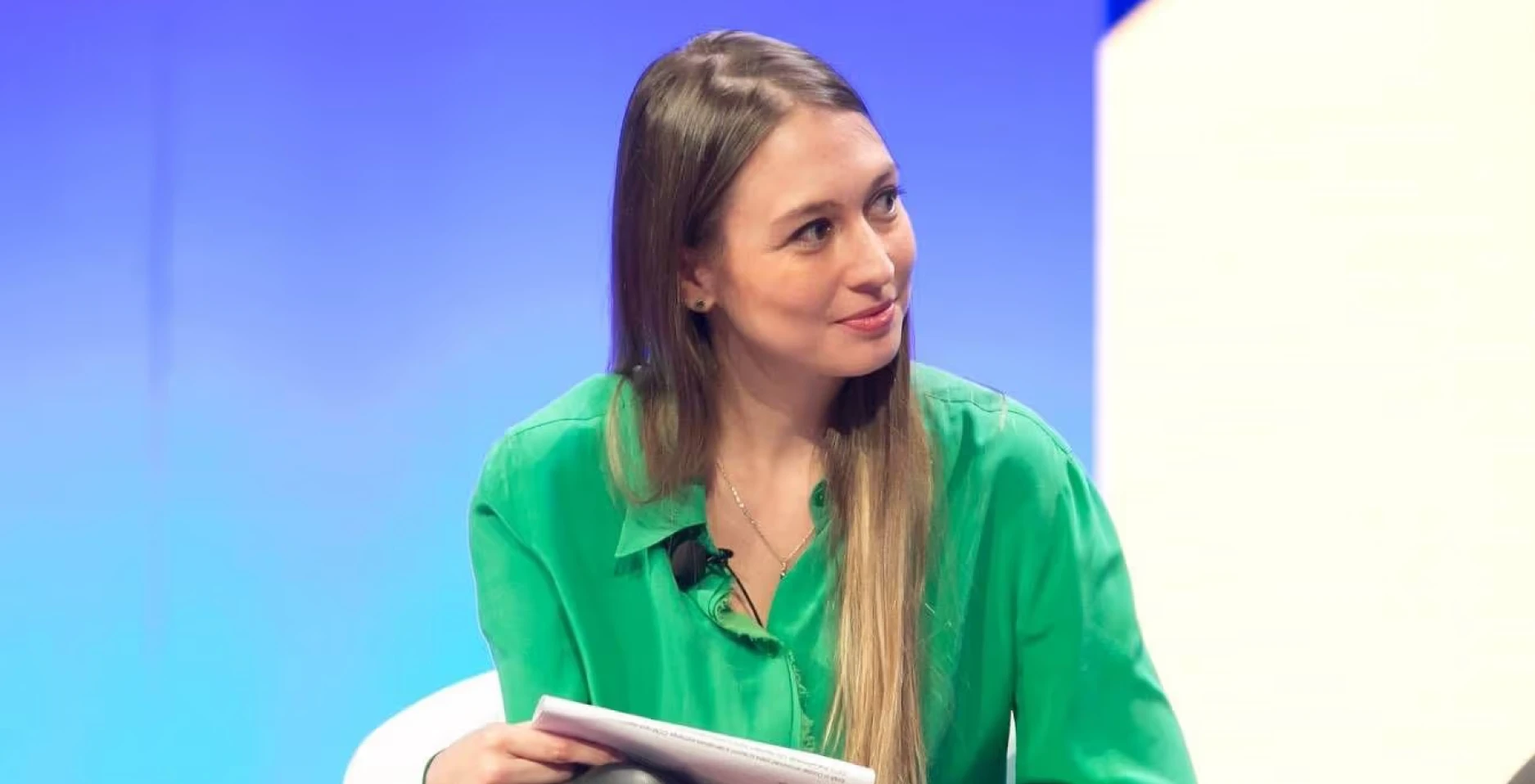
Camila Russo is the founder of The Defiant, one of the most respected independent media outlets covering DeFi and Web3. A former Bloomberg journalist, she brought genuine editorial standards to crypto media at a time when most coverage was either pure speculation or thinly veiled promotion.
The Defiant covers protocol launches, governance debates, regulatory developments, and the broader narrative arc of decentralized finance with a level of rigor that most crypto publications do not attempt. Camila’s personal output on X and through The Defiant’s newsletter adds editorial context to fast-moving stories, helping readers understand not just what happened but why it matters.
Her book, The Infinite Machine, remains one of the best accounts of Ethereum’s early history for anyone who wants to understand where the ecosystem came from and how its founding decisions shaped what it became.
Best for: DeFi participants, Web3 founders, journalists, and anyone who wants serious editorial coverage of the decentralized finance space
Primary platforms: The Defiant, X, newsletter
Content style: Investigative journalism, narrative DeFi coverage, editorial commentary
Ryan Sean Adams and David Hoffman

Ryan Sean Adams and David Hoffman are the co-hosts of the Bankless podcast and two of the most prominent advocates for Ethereum and decentralized finance in the broader crypto media landscape. Together, they have built one of the most listened to podcasts in the industry, hosting conversations with founders, researchers, economists, and protocol builders that consistently go deeper than mainstream crypto media.
Ryan’s background is in investing and media, while David brings a more technical and DeFi native perspective. That combination makes their podcast particularly useful for participants who want to understand both the investment thesis and the technical reality of what is being built in the Ethereum ecosystem.
Their content has a clear editorial perspective: they are Ethereum bulls and DeFi believers, and they do not pretend otherwise. That honesty about their point of view makes it easier to calibrate their content appropriately. Within that framing, the depth and consistency of their output is genuinely impressive.
Best for: Ethereum ecosystem participants, DeFi investors, and anyone who wants long-form educational content about where Web3 is heading
Primary platforms: Bankless podcast, X, Substack
Content style: Long-form podcast interviews, market commentary, DeFi education
Nic Carter

Nic Carter is a partner at Castle Island Ventures and one of the most rigorous Bitcoin-focused voices in crypto. His writing covers on chain analysis, Bitcoin monetary policy, crypto regulation and policy, and the intersection of traditional finance and digital assets. He co-created Coinmetrics, one of the foundational on-chain data platforms in the industry, which gives his analysis a quantitative grounding that distinguishes it from opinion-driven commentary.
Nic is not afraid of controversy. He has written critically about Ethereum’s monetary policy, pushed back on popular DeFi narratives, and engaged seriously with regulators and policymakers on crypto policy questions. That willingness to hold and defend positions that are not universally popular in crypto is a marker of genuine intellectual independence.
For Bitcoin holders and policy watchers in particular, Nic Carter’s output is essential reading. His ability to engage with critics of crypto on their own terms, using data and rigorous argument rather than dismissal, makes him one of the most effective advocates the industry has.
Best for: Bitcoin holders, on-chain analysts, policy watchers, and participants who want rigorous data driven commentary on crypto markets and regulation
Primary platforms: X, Substack, podcast appearances
Content style: On-chain analysis, policy commentary, rigorous opinion pieces
Laura Shin

Laura Shin is the host of the Unchained podcast and one of the longest-running serious journalists in the crypto space. Her background in traditional financial journalism, including years at Forbes covering crypto before it was mainstream, gives her an interviewing rigor and editorial discipline that is relatively rare in a space full of founder friendly media.
Unchained has hosted virtually every major figure in crypto over its run, from protocol founders and fund managers to regulators and economists. Laura’s interview style is thorough and prepared. She asks follow up questions, pushes back on talking points, and consistently surfaces insights that more deferential interviewers miss.
Her book, Cryptopians, is one of the most detailed accounts of Ethereum’s founding drama and early ecosystem politics, drawing on hundreds of hours of interviews with the people who were actually there. For anyone who wants to understand the human story behind the technology, it is essential reading.
Best for: Broad crypto audience, people new to the space who want quality journalism, and participants who prefer long-form interview formats
Primary platforms: Unchained podcast, X, newsletter
Content style: Investigative journalism, long-form interviews, founder profiles
Chris Dixon
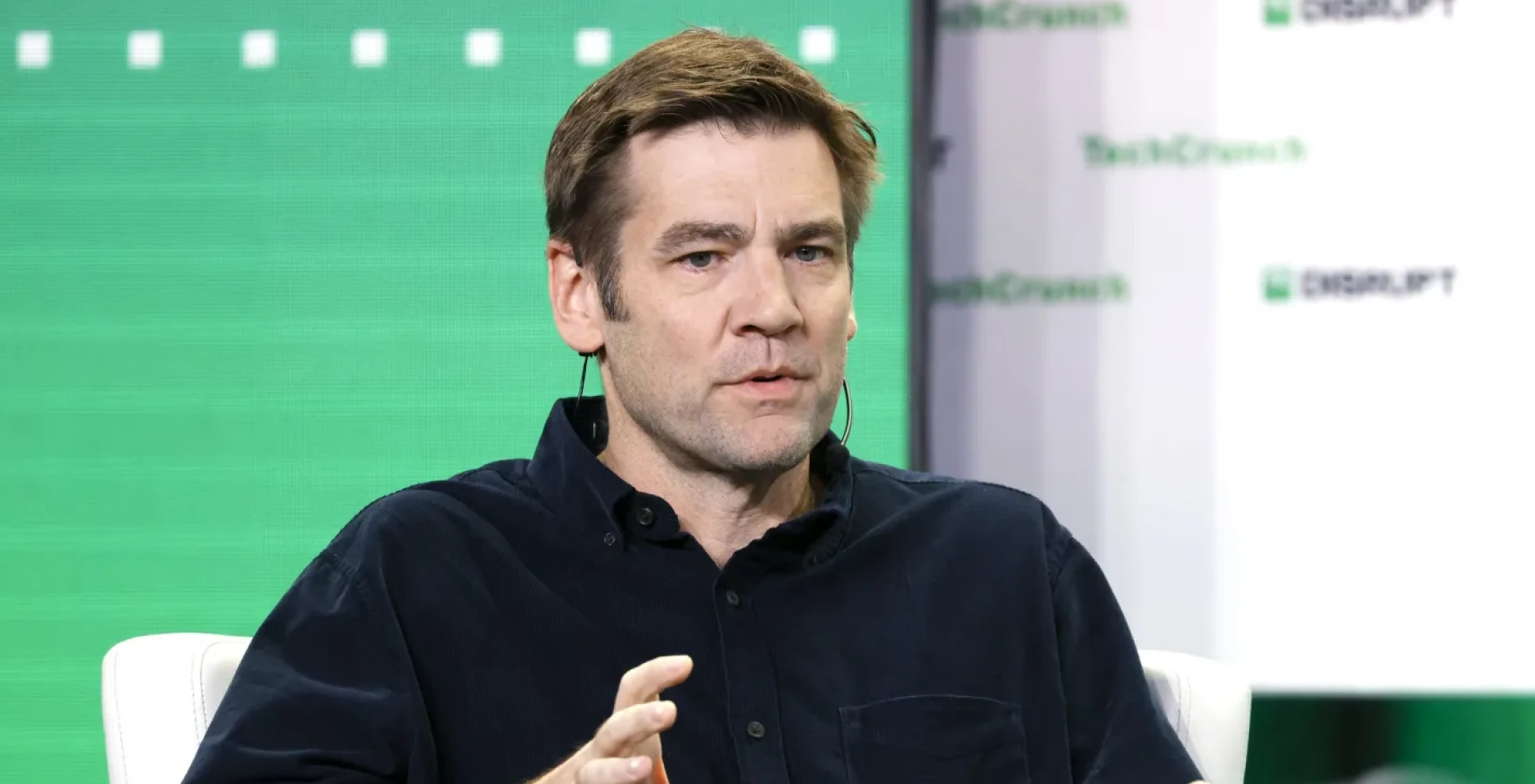
Chris Dixon is a general partner at Andreessen Horowitz (a16z) and one of the most articulate advocates for the broader Web3 vision in the venture capital world. His book, Read Write Own, published in 2024, made the clearest public case for why blockchain networks represent a fundamentally different and more equitable model for the internet than the platform-based model that currently dominates.
His X account and the a16z crypto blog carry consistent content about the long-term vision for Web3, the policy landscape, and the investment thesis behind the infrastructure and applications a16z is backing. For founders who want to understand how one of the most influential crypto investment firms thinks about the space, Chris Dixon’s output is the clearest window available.
His content operates at the vision and thesis level rather than the trading level. If you are looking for price calls or short-term market analysis, this is not the account for you. If you are building something and want to understand the intellectual framework that is shaping institutional investment in Web3, it is essential.
Best for: Web3 founders, investors, and participants who want to understand the long-term vision and investment thesis driving institutional interest in crypto
Primary platforms: X, a16z crypto blog, podcast appearances
Content style: Vision and thesis-driven essays, policy commentary, long-form interviews
Ansem
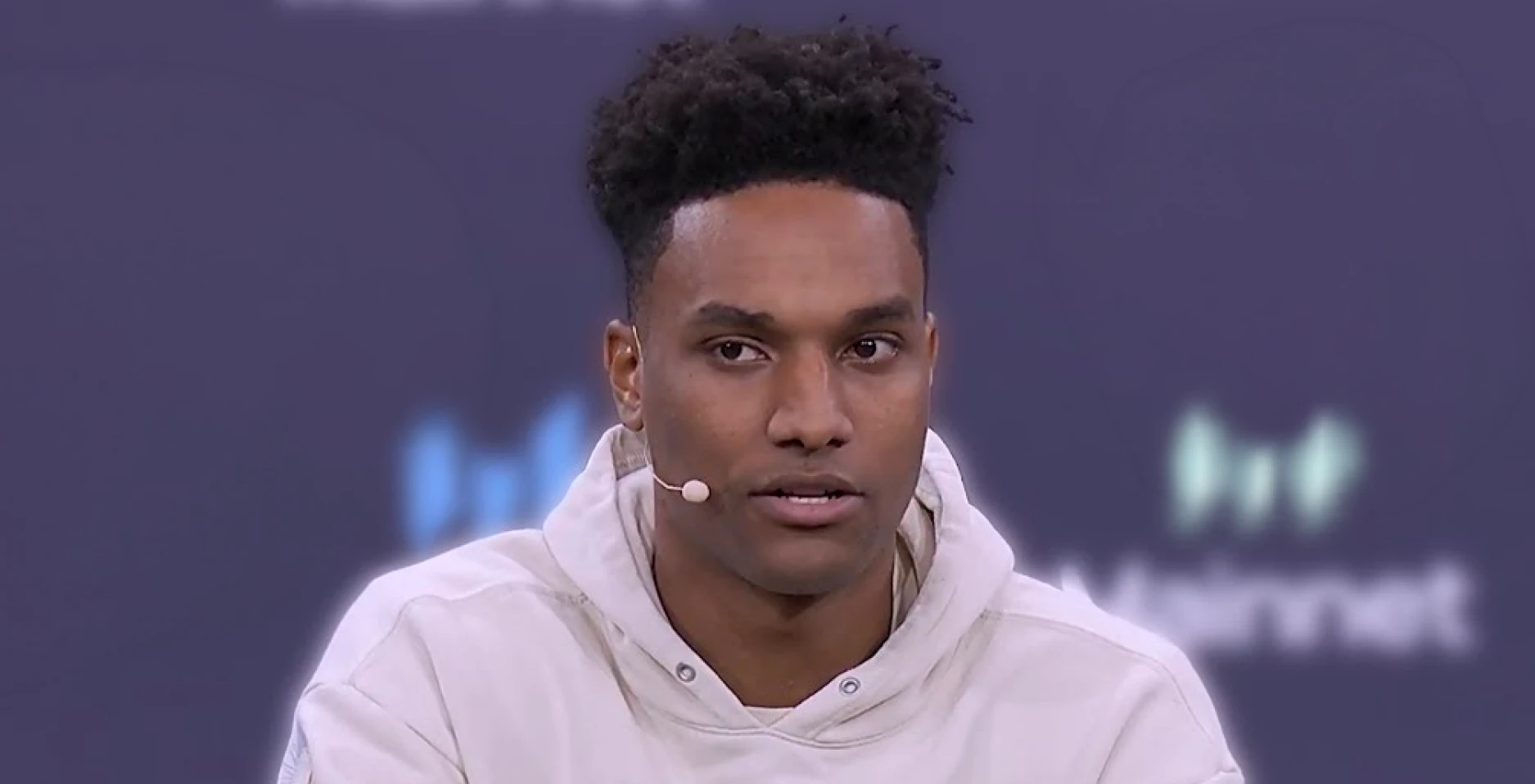
Ansem is one of the most followed on-chain analysts and traders on Crypto Twitter, known particularly for his early and vocal positioning in the Solana ecosystem during periods when the chain was deeply out of favor. His track record of identifying high conviction opportunities before they became consensus trades has built him a following among active traders who take on chain signal seriously.
His content covers token launches, on-chain activity analysis, ecosystem narratives, and trading positioning with a directness and specificity that is rare among crypto influencers who tend toward vague commentary. He is vocal about his positions and willing to share his reasoning in detail, which makes his output genuinely useful for traders who want to understand the thesis behind a call rather than just the call itself.
Ansem operates squarely in the higher risk, higher reward end of crypto trading. His content is most relevant for active traders comfortable with volatility, not for long term holders looking for macro frameworks.
Best for: Active traders, Solana ecosystem participants, and on chain analysts looking for high conviction early stage positioning ideas
Primary platforms: X
Content style: On chain analysis, trading thesis, ecosystem narrative, real time market commentary
Hsaka

Hsaka is one of the most respected technical analysts on Crypto Twitter, known for clear market structure analysis and a disciplined approach to reading price action across crypto assets. In a space full of chart accounts that post vague levels after the fact, Hsaka’s analysis stands out for its specificity and its consistency in articulating the reasoning behind a trade setup rather than just the outcome.
His content focuses on Bitcoin, Ethereum, and major altcoin market structure, covering support and resistance levels, trend analysis, and broader market cycle positioning from a technical perspective. The audience for his work skews toward traders who already understand technical analysis and want a second opinion from someone with a credible track record.
Hsaka does not make fundamental or macro calls. His lane is a chart-based market structure, and he stays in it. That focus is part of what makes his output reliable within its scope.
Best for: Traders who use technical analysis as part of their decision-making process and want rigorous chart based market structure commentary
Primary platforms: X
Content style: Technical analysis, market structure, trade setups, chart commentary
How to Build a High Quality Crypto Information Diet
Following the right people is step one. Consuming their content effectively is step two. Here is how to do both well.
Start with three to five core followers.
Trying to follow every voice on this list simultaneously will overwhelm your feed and dilute the signal. Pick two or three people whose content aligns with your primary focus, whether that is macro trading, DeFi participation, or building in Web3, and go deep with their back catalog before expanding your list.
Separate news from analysis.
Real-time news and long-form analysis serve different purposes. CT is the right place for fast-moving information. Substack, podcasts, and long-form blogs are where you go to develop frameworks. Mixing them without distinction creates a feed that feels busy but does not actually build your thinking.
Read critically, not reverently.
Every voice on this list has biases, blind spots, and financial interests that shape their output. Raoul Pal is structurally bullish. The Bankless hosts are Ethereum maximalists. Arthur Hayes holds views on macro that not everyone shares. That does not make their content less valuable. It makes critical reading more important.
Track predictions over time.
One of the best ways to evaluate a voice is to keep a record of their directional calls and check back on them six to twelve months later. The voices whose analysis holds up over time deserve more weight in your feed. The ones who are always right in hindsight but never specific in the moment deserve less.
Schedule consumption rather than scrolling.
The worst way to consume crypto content is passively through an unfiltered feed. Set aside specific time to read newsletters, listen to podcasts, and engage with long-form content. Treat information gathering as a deliberate activity, not a background habit.
Final Thoughts
The top voices in crypto in 2026 are not famous because they are loud. They are influential because they are useful. Their analysis helps people make better decisions, understand complex ideas more clearly, and navigate a market that moves faster and harder than almost any other asset class in the world.
Building a curated information diet around people like these is one of the highest leverage things a serious crypto participant can do. It does not replace your own research and judgment. It sharpens them.
Follow deliberately. Read critically. Think independently.
Work With Cryptic
If you are a crypto project, protocol, or Web3 brand looking to build the kind of presence that gets you into the right conversations and in front of the right audiences, Cryptic builds content and SEO strategies that do exactly that. We know the space because we live in it.
Visit crypticweb3.com to see how we help Web3 projects grow.
FAQ
Who are the top voices in crypto to follow in 2026?
The most valuable voices in crypto in 2026 include Vitalik Buterin for Ethereum and technical depth, Arthur Hayes for macro and geopolitical analysis, Camila Russo for DeFi journalism, Raoul Pal for institutional macro, and Ansem for on-chain trading. The right follows depend on your specific focus and experience level.
Who is the best crypto influencer for beginners?
Laura Shin’s Unchained podcast and the Bankless podcast with Ryan Sean Adams and David Hoffman are the strongest starting points for people newer to crypto. Both produce long-form educational content that explains complex ideas without requiring prior technical knowledge.
Are crypto influencers reliable sources of information?
It depends entirely on the individual. The voices on this list are selected for intellectual honesty, track record, and genuine expertise. As a general rule, anyone who promotes tokens without disclosing financial relationships, makes specific price predictions without reasoning, or disappears during bear markets is not a reliable source, regardless of their follower count.
What is the difference between a crypto influencer and a crypto thought leader?
A crypto influencer primarily builds audience and engagement, often through entertainment or hype driven content. A crypto thought leader produces original analysis, advances industry conversations, and is valued for the quality of their thinking rather than the size of their following. The best voices in crypto tend to be both, but the thought leadership is what makes them worth following long term.
Where do top crypto voices publish their content?
The primary platforms are X for real-time commentary, Substack for long-form written analysis, and podcast networks for in-depth interviews. Many voices on this list maintain a presence across all three, with different content formats suited to each platform.
How do I know if a crypto voice is trustworthy?
Look for consistent disclosure of financial positions, a track record of analysis that holds up over time, willingness to be publicly wrong, and independence from promotional relationships with the projects they cover. Trustworthy voices engage seriously with counterarguments rather than dismissing criticism.
Who are the best on-chain analysts to follow in crypto?
Nic Carter and Ansem are among the strongest on chain analytical voices covered in this list. Beyond them, accounts focused on Dune Analytics dashboards, Glassnode data interpretation, and protocol-specific governance tracking tend to produce the most data grounded on chain content.